Genealogy often means moving between notes, family records, books, and photographs. A useful gift can make that research easier to organize or give favorite family images a place to be enjoyed.
These 11 ideas suit different research habits and gifting occasions, with options for documenting discoveries, arranging a reading space, and sharing family photos.
11 Gift Ideas for Genealogy Enthusiasts
Glocusent Rechargeable Neck Reading Light

- Choose among three color temperatures and six brightness settings.
- The bendable neck design leaves both hands free while reading.
- Rechargeable lighting is useful for extended reading sessions.
Best Gift For: A reader who likes to browse family history books or notes while relaxing in bed.

HP Sprocket Select Instant Photo Printer
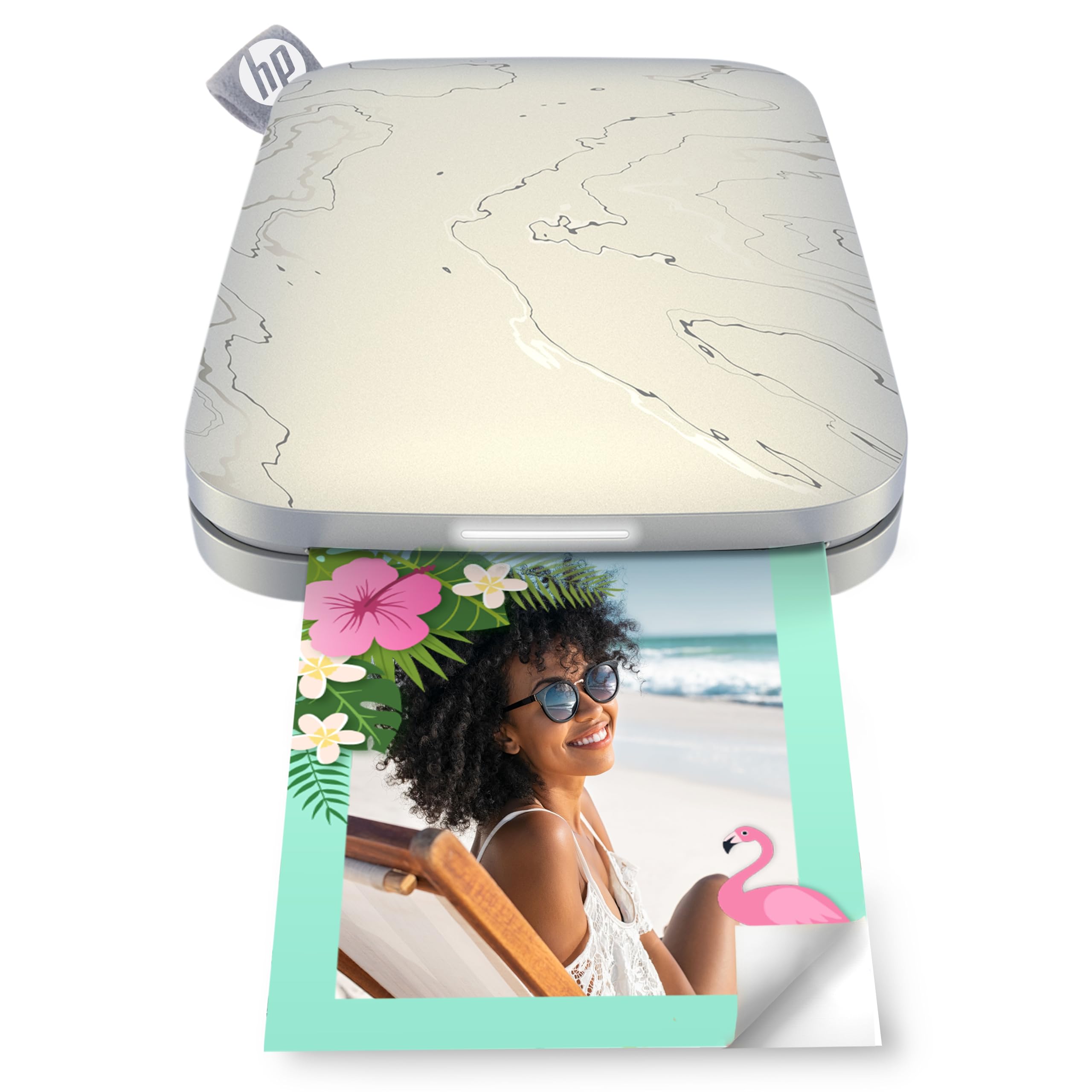
- Prints 2.3 x 3.4-inch photographs from a smartphone or social media.
- The photo paper has a sticky backing for placing prints in projects.
- Editing tools include frames and filters in the HP app.
Best Gift For: A family historian who enjoys printing and sharing pictures from a phone.
Cross Classic Century Gold-Plated Ballpoint Pen

- The pen has a slim profile and a metal body.
- Its swivel-action mechanism is designed for everyday writing.
- It arrives in a gift box suited to a birthday or graduation present.
Best Gift For: Someone who enjoys journaling discoveries or writing family-history notes by hand.
Phomemo D30 Bluetooth Label Maker with 3 Tapes
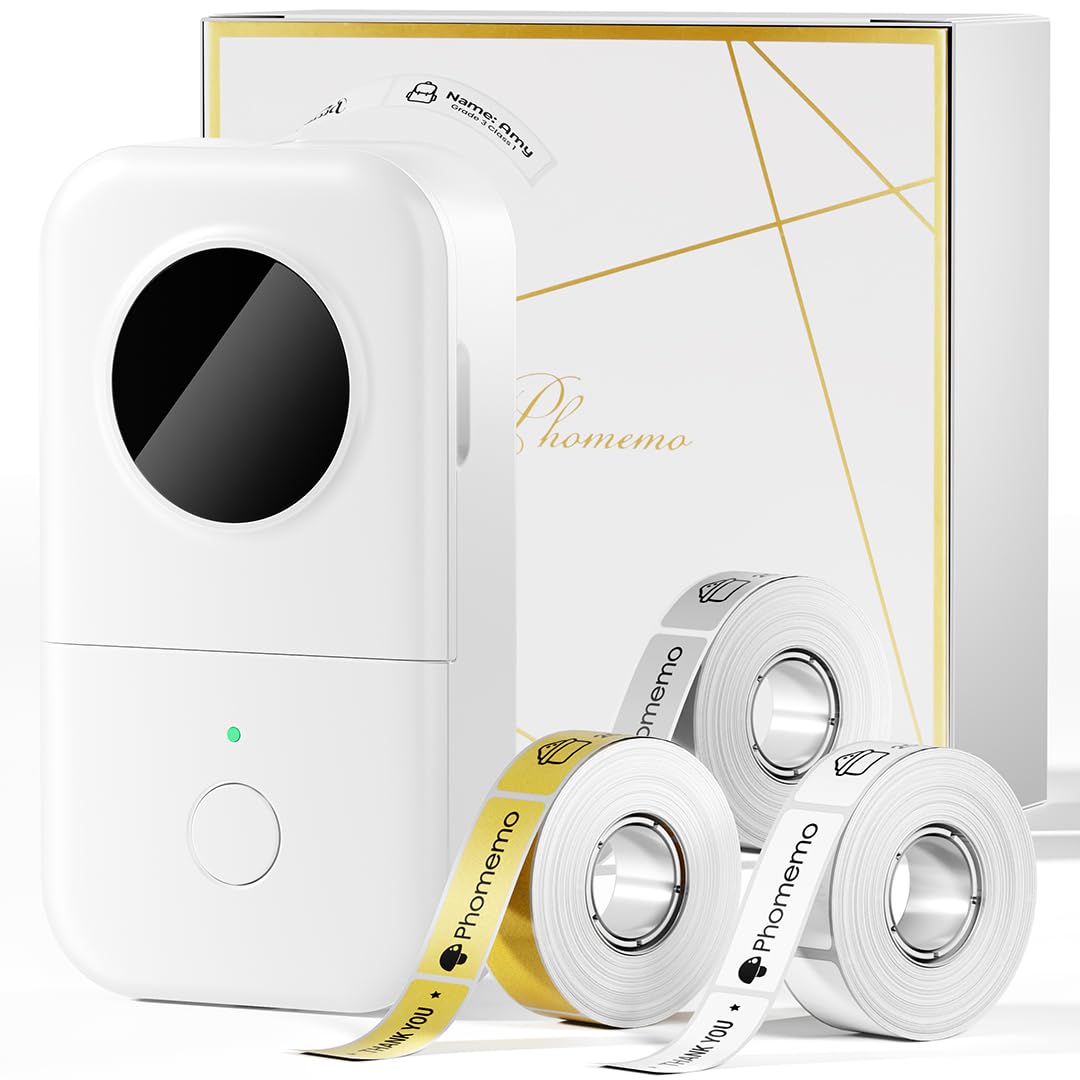
- The set includes three tapes: white, gold, and clear.
- Thermal printing works without ink, toner, or ribbons.
- Create labels from a smartphone using the Bluetooth-connected printer.
Best Gift For: A family researcher who wants to label files, storage, or personal research supplies.
VASAGLE CUSTOS 5-Tier Bookcase
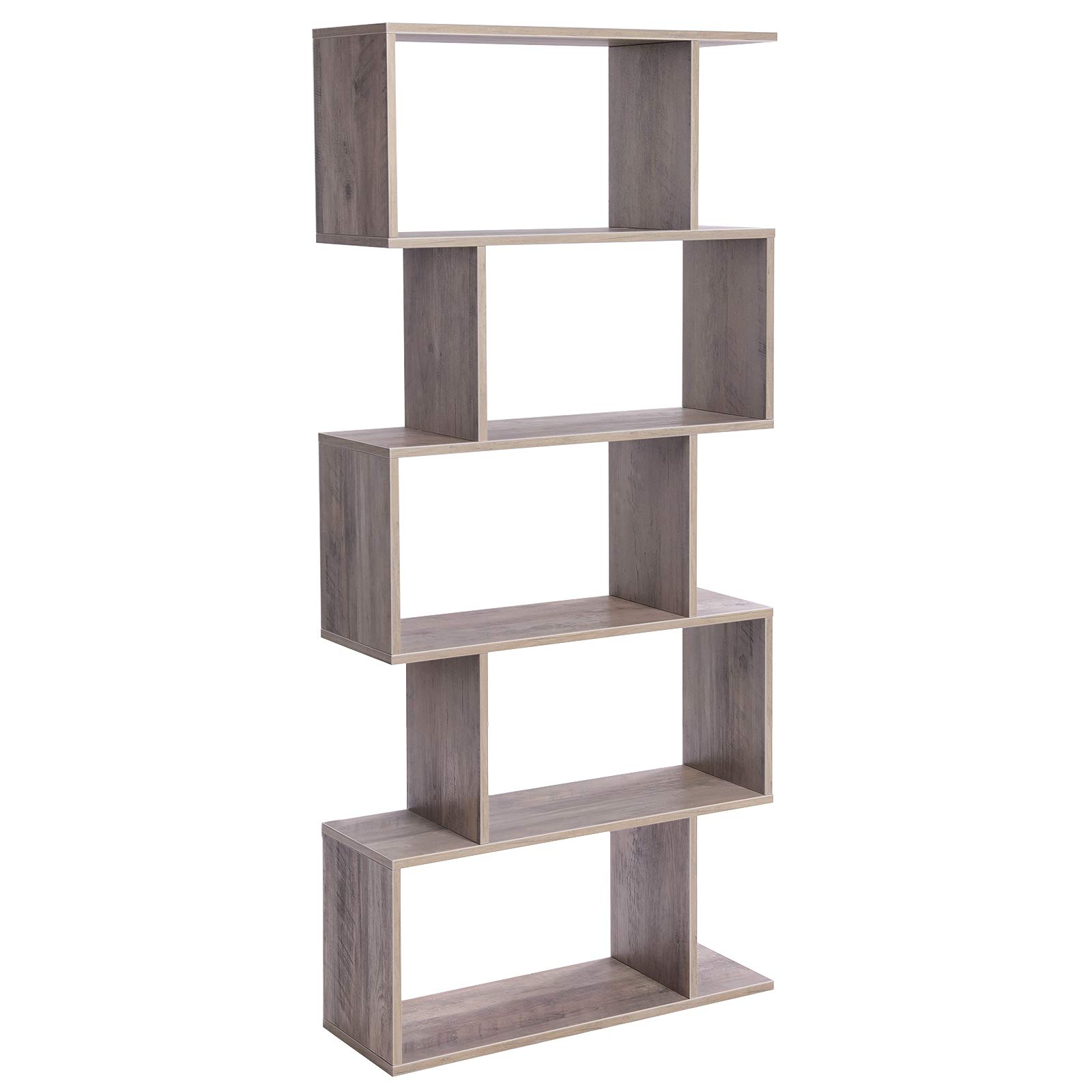
- The open shelves provide display and storage space.
- Two anchoring devices help keep the shelf in place.
- Each shelf supports a load capacity of 22 lb.
Best Gift For: A genealogy enthusiast looking to display books and keep a study space organized.
Clever Fox Planner PRO Light Undated Weekly Planner

- The planner offers monthly, weekly, and daily planning.
- Its undated format lets the owner begin at any time of year.
- The set includes a quick-start guide and planning stickers.
Best Gift For: A family historian who likes setting goals and scheduling regular research time.
Whitelines Graph Ruled Notebooks, 3-Pack

- The notebooks have graph paper for structured handwritten notes.
- The paper is tinted light gray.
- The app can remove the background from captured notes or drawings.
Best Gift For: A genealogist who keeps handwritten notes, charts, or family timelines.
Kölbs Tall Reading Pillow with Solid Foam
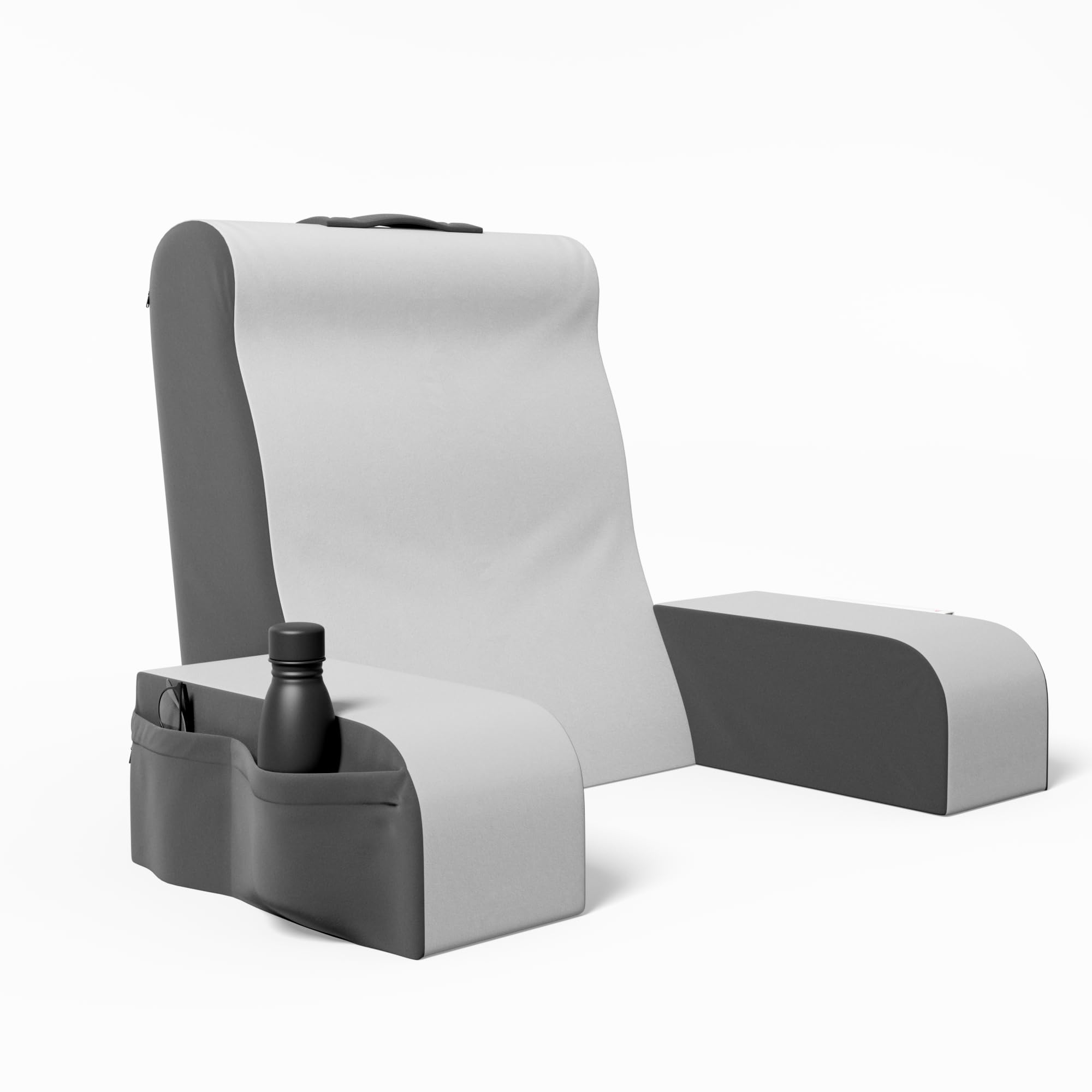
- The pillow uses structured solid foam with cushioning.
- Supportive arm rests add comfort and stability.
- A removable cover can be washed.
Best Gift For: A reader who likes sitting up in bed with a book or family-history material.
10X Rectangle Magnifying Lamp with 5 Color Modes
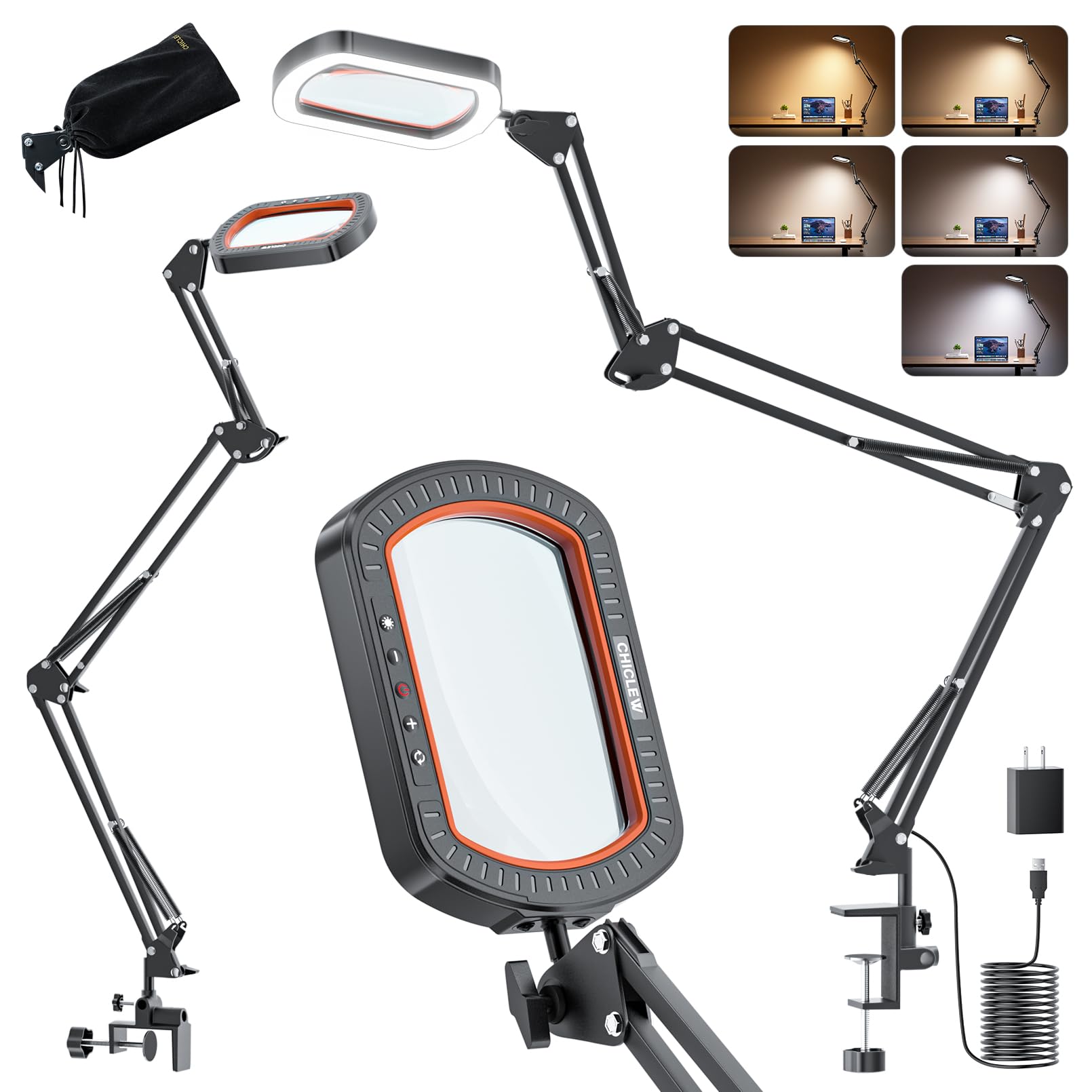
- The magnifier uses a rectangular glass lens.
- Five color modes and adjustable brightness offer lighting choices.
- The lamp clamps to a desk or table edge for hands-free use.
Best Gift For: A reader who works with small print in family records or other detailed material.
Mr. Pen Heavy-Duty Metal Bookends, 16-Pack
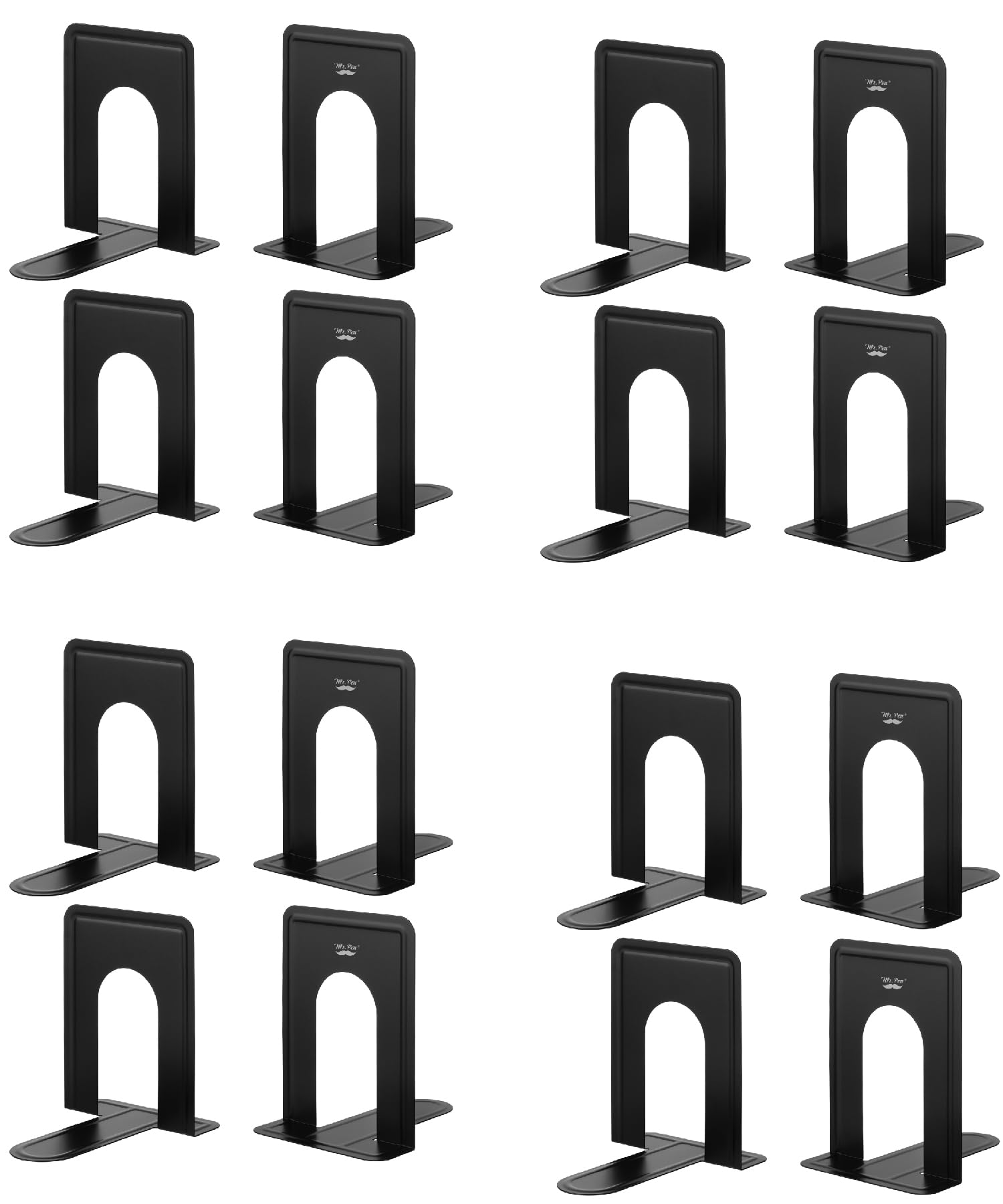
- The set includes sixteen bookends.
- Heavy-duty metal construction supports books and files on shelves.
- The black finish is designed to complement home or office decor.
Best Gift For: A book collector or family researcher who wants to keep books and files upright on shelves.
ZEEYUAN 4x6 Photo Album, Holds 200 Pictures
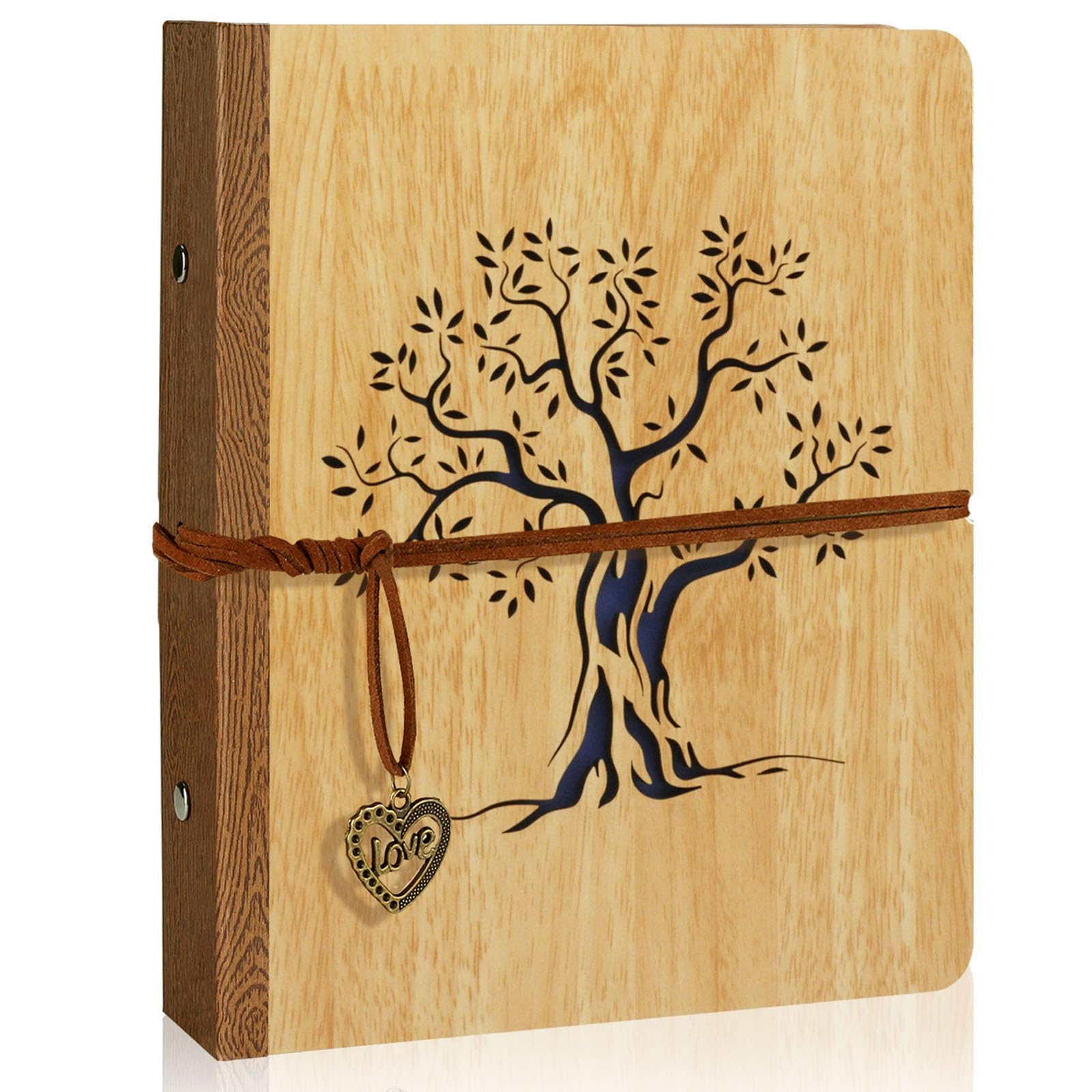
- The album holds 200 pictures.
- It is made for 4x6 photographs.
- The title presents it as a family memory book.
Best Gift For: A relative who wants to gather printed family photographs into an album.
1. Choose birthday gifts for people who love genealogy around their routine
When choosing birthday gifts for people who love genealogy, think about where the recipient spends time with family history. Someone who reads in bed may value a more comfortable setup, while a researcher who writes down every clue may appreciate tools for notes and planning.
Consider what currently slows their process: loose papers, crowded shelves, hard-to-read print, or photographs that stay on a phone. A practical gift can address one small friction point and make the hobby easier to return to between busy weeks.
If you are unsure of their exact research method, favor flexible supplies over anything tied to a specific family tree service or archive. A notebook, reading accessory, or photo display can support many ways of preserving names and stories without requiring you to know their software or research subscriptions.
2. Match the gift to the research space
Look at how the recipient works before choosing an organizing gift. A dedicated study may have room for furniture, while a shared dining table calls for compact items that can be put away after a session.
Storage can be helpful when it suits the available space and the person’s habits.
Think about whether the gift will complement what they already own. A planner can add structure to a project, while labels or bookends may help an existing shelf or file area stay orderly.
For photo gifts, consider whether the recipient enjoys prints they can handle and display.
For tools used with books, documents, or small details, the setting matters. A comfortable light or supportive reading setup can make long sessions more pleasant.
If the recipient prefers working at a desk, a hands-free magnifier may fit their routine better than another decorative item.
3. Set a thoughtful budget for birthday gifts for people who love genealogy
For birthday gifts for people who love genealogy, decide first whether you want a small useful gesture, a personal keepsake, or a larger addition to their workspace. A handwritten note or a modest research accessory can feel considered; a more substantial choice makes sense when you know it will fill a genuine need.
Budget decisions are easier when you consider the whole setup. A printer may call for compatible paper, and storage furniture deserves a check of dimensions and the room where it will go.
Before buying, review current prices and product details, including compatibility and any accessories the recipient might need.
If several relatives want to contribute, coordinate around one shared goal: organizing printed photographs, creating a reading nook, or improving a research corner. That can prevent duplicate gifts and let each person add something distinct, such as a memory, a family story, or a useful supply.
4. Personalize the gift and its presentation
A brief family detail can make a practical gift feel personal. Write down the source of a photograph, identify the people pictured if you know them, or include a note about a story the recipient once shared.
Small context like this helps connect a present to the history they care about.
For albums and printed photos, select images that represent different branches or generations, and leave room for captions if the recipient likes adding names and dates. Avoid guessing at identities or dates; a question mark in a note is kinder than turning uncertainty into a family fact.
For research tools, presentation can be simple: wrap the item with a card that suggests a project, such as recording a favorite story or organizing a set of notes. If you are pairing items, keep the combination useful and manageable rather than adding supplies that may not fit their preferred system.
5. Plan ahead, or make a last-minute gift feel considered
For a last-minute purchase, check the current delivery estimate and confirm the item suits the recipient’s space and devices before placing an order. Product details can change, so verify the exact model, dimensions, and compatible supplies at checkout rather than relying on assumptions from a similar item.
If timing is uncertain, give a personal note on the day and explain the idea you chose for them. You could include a family memory or invite them to share a research question over a meal; that makes the occasion meaningful even if the physical gift arrives later.
When you have a little more time, ask a close relative what the genealogist is currently researching or whether they need a particular organization aid. A specific clue about an ongoing project can guide a more useful choice and make the gift feel connected to the person’s curiosity.